If you’re planning to refresh your home, you’ve probably wondered how many coats of paint for wall it really takes to make your space look new again. It’s a question that almost every homeowner in Jefferson City, MO asks when starting a painting project.
Some think one coat will do the job, only to realize that thin coverage and uneven color start showing after it dries. Others go overboard, applying too many layers that end up peeling later on. The truth lies somewhere in between, and it depends on your wall condition, paint quality, and even the color you choose.
This guide breaks everything down in a way that’s simple and practical. Whether you’re updating a living room, bathroom, or hallway, you’ll learn what really affects how many coats you need and how professionals make paint last for years.
Key Takeaways:
- Most walls look best with two coats of paint, plus primer for smoother coverage and stronger color.
- Wall condition matters: rough or patched surfaces often need extra coats for even texture.
- Paint quality affects coverage; high-end paints reduce the need for multiple layers.
- Room type changes everything — kitchens and hallways may need more coats for durability.
- Using primer and the right finish gives walls longer-lasting color and protection.
Why the Number of Coats Makes a Big Difference
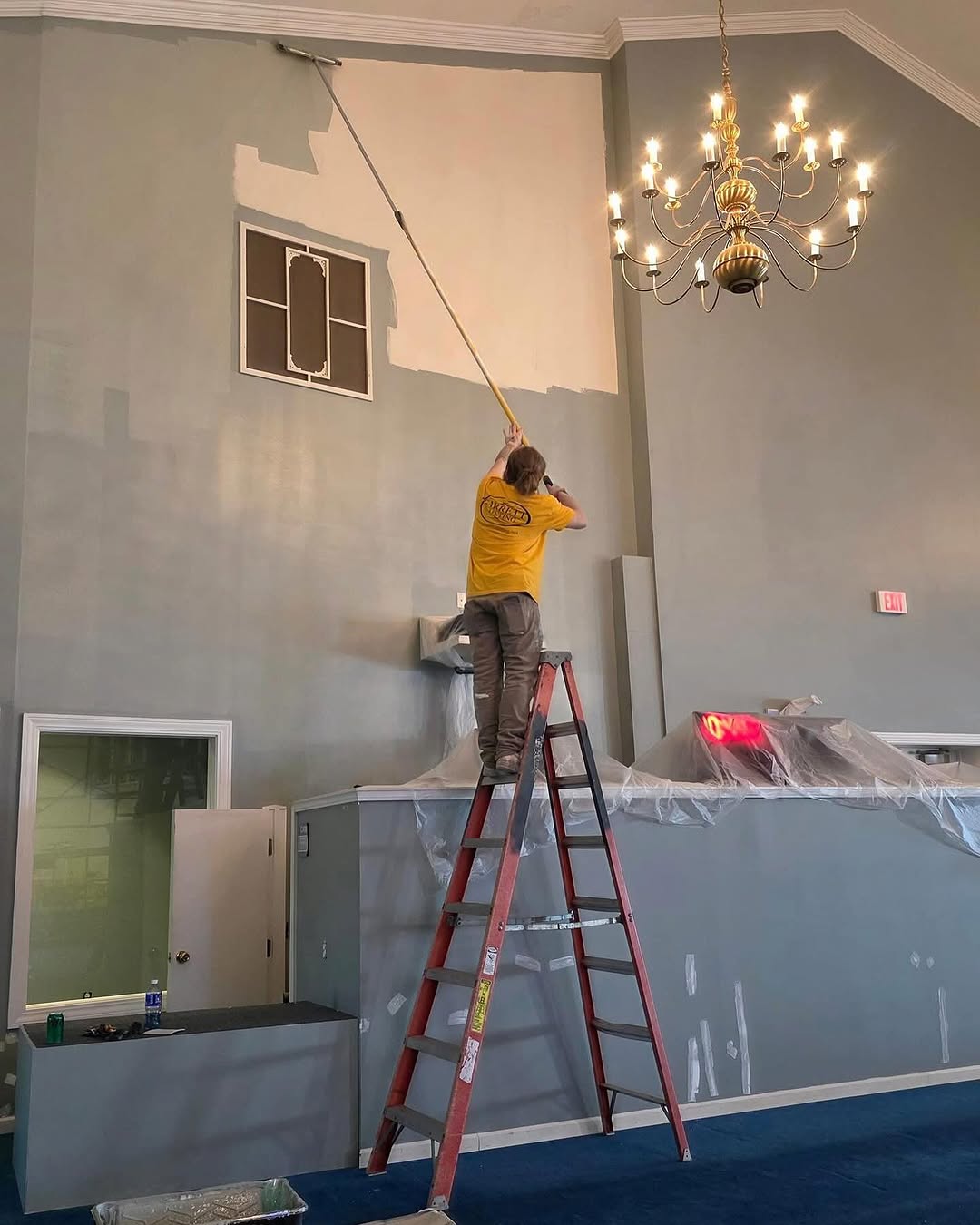
The number of coats directly affects the look, texture, and lifespan of your walls. Two coats are usually the magic number. The first coat provides the base, while the second brings out color richness and strengthens the finish.
If you skip that second coat, you might see light spots or streaks once the paint settles. On the other hand, applying too many coats without proper drying can cause the layers to lift or crack.
Before painting, it’s best to fix any surface flaws. If you notice peeling or flaking, take a look at how to fix chipped paints for helpful tips on preparing your walls before repainting.
Step 1: Assess the Wall Condition
Every good paint job starts with inspection. The surface condition affects how many coats you’ll need.
- Bare drywall: You’ll need two coats of primer and two coats of paint to seal and smooth it.
- Previously painted walls: Usually, one coat of primer and two coats of paint are enough.
- Stained or patched surfaces: Add an extra coat if you see uneven absorption.
If the wall has cracks, residue, or patch marks, it’s important to address them before applying paint. Paint alone can’t hide poor preparation, and skipping this step can ruin the final look.
Step2: Choose the Right Paint Quality
Paint quality makes all the difference. Premium paint usually offers stronger pigments and better coverage, while low-cost options can leave streaks and require extra coats.
Professional painters often recommend high-end paints for high-traffic areas like kitchens and hallways. They hold up better against cleaning, scratches, and sunlight.
If you’re not sure how much paint your project might need, check our guide how much paint do i need to help calculate your total gallons before starting. It can save you money and time by avoiding extra trips to the store.
Step 3: Pick Colors That Work for the Space
Color affects coverage more than most people think. Light colors, such as white or cream, usually achieve solid coverage with two coats. Dark shades like navy, red, or black often need an extra layer for full depth.
Switching from dark to light requires more preparation. A primer layer will keep old colors from bleeding through and help your new shade stay true. Going from light to dark, you’ll likely need at least two full coats to reach full color saturation.
If you’re not sure how a shade will look once it’s on your walls, try using paint color visualizer tools to preview different colors before committing. It’s a quick way to avoid surprises once the first coat goes up.
Step 4: Adjust by Room Type
Every room in your home has different painting needs. The amount of moisture, sunlight, and foot traffic all matter.
- Living Rooms and Bedrooms: Two coats of high-quality paint are usually enough. These rooms don’t face much wear and tear, so focus on getting a smooth, even finish.
- Bathrooms and Kitchens: Due to higher humidity, moisture-resistant paints are essential. Two coats of durable satin or semi-gloss paint will help protect the walls from steam and frequent cleaning.
- Hallways and Entryways: These areas take a lot of daily traffic. It’s smart to apply a third coat to add durability. The extra coat can prevent scuffs and marks from showing through too soon.
Step 5: Don’t Skip Primer
Primer helps paint stick better and look more consistent. It seals porous areas and prevents color from showing through unevenly.
When painting over dark colors, stains, or new drywall, always start with a primer. For most homes, one coat of primer followed by two coats of paint gives a professional finish.
Primer not only improves appearance but also helps extend the life of your paint. It’s one of those steps that saves money in the long run by reducing future touch-ups.
Step 6: Choose the Right Paint Finish
The finish of your paint determines how it looks and how long it lasts.
- Flat or Matte: Great for hiding wall flaws but less durable in busy areas.
- Eggshell or Satin: Ideal for most rooms. Smooth, washable, and slightly reflective.
- Semi-Gloss or Gloss: Shiny and easy to clean. Perfect for kitchens, bathrooms, and trim.
Satin or semi-gloss finishes often need fewer coats because the paint spreads more evenly and reflects light better. Flat finishes may require an extra coat for full, even coverage.
Pro Tips for a Flawless Result
Here are a few habits professional painters follow to get consistent, lasting results:
- Apply thin, even layers instead of thick coats that can drip or take too long to dry.
- Always allow drying time between coats. Rushing causes uneven color and streaks.
- Use high-quality rollers and brushes for smoother coverage.
- Paint under proper lighting to catch missed spots early.
Taking your time and using the right tools will make the finish look cleaner and more professional.
The Garrett Painting Approach to Painting
At Garrett Painting, our painters in Jefferson City, MO, understand that a great house painting project takes more than just color. It’s about preparation, precision, and timing. Every home we paint gets a detailed inspection before we start, and we plan the number of coats based on your wall type, color choice, and lighting.
Our process includes:
- Careful wall assessment and surface preparation
- Primer application for lasting adhesion
- Even, consistent coats using professional-grade paint
- Proper drying time between layers
- Clean, neat finishing with no paint drips or streaks
We don’t take shortcuts, and that’s what keeps our results durable and clean for years. Whether you’re updating one room or your entire home, we’ll help you achieve walls that look fresh and feel smooth.
Long-Lasting Paint Results Start With the Right Process
So, how many coats of paint for wall is the right number? For most projects, two coats with primer are the standard. But wall condition, color, and room type all play a role in getting that even, polished look that lasts.
High-quality paint, proper prep, and patience between coats are what separate a quick cover-up from a truly professional finish.
If you’re ready to refresh your home in Jefferson City, MO, our team at Garrett Painting is here to help.
We proudly serve Moberly, Lake of the Ozarks, Mexico, MO, and nearby areas. Call us at 573-533-4462 for a FREE estimate and let’s make your walls look their best with lasting, beautiful color.