Choosing between eggshell vs. semi-gloss paint is one of those decisions that seems minor until the paint is on the wall and the room starts getting used. The finish you choose affects how light reflects, how often surfaces need cleaning, and how well the paint holds up over time.
Eggshell and semi-gloss are both popular for interiors, but they serve very different purposes. One keeps walls looking soft and even. The other is built to handle wear, moisture, and frequent contact. This guide breaks down how eggshell vs. semi-gloss paint performs in everyday spaces so you can make a choice that fits the room, not just the label on the can.
Key Takeaways:
- Eggshell vs. semi-gloss paint comes down to use. Eggshell works best on walls where a softer look helps hide surface flaws.
- Semi-gloss paint holds up better to moisture, fingerprints, and frequent cleaning, making it a strong choice for trim, doors, and cabinets.
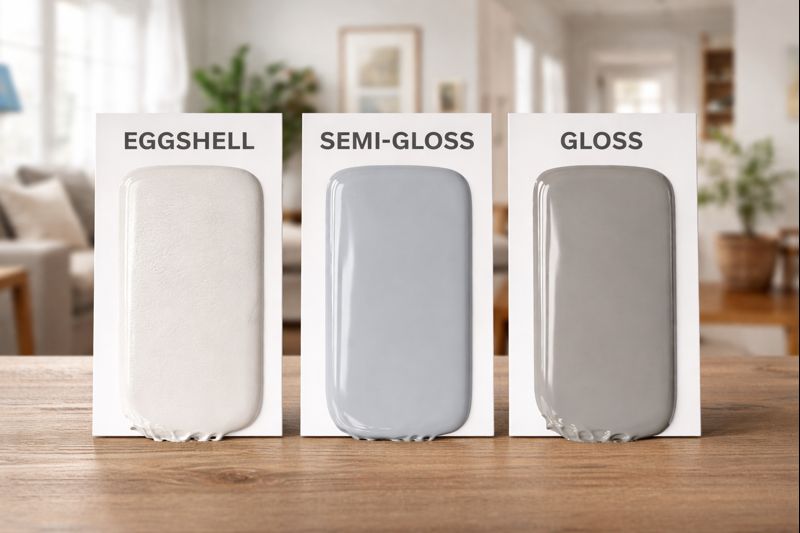
- Light impacts how each finish looks. Semi-gloss reflects more light, while eggshell keeps walls looking more even.
- Mixing finishes in a home is normal and recommended. Most spaces benefit from eggshell on walls and semi-gloss on details.
- Choosing the right finish upfront helps reduce maintenance, keeps paint looking consistent longer, and avoids early repainting.
Why Paint Finish Matters More Than Most People Expect
Paint color often gets all the attention, but finish quietly controls how that color behaves. The sheen affects how light bounces, how marks show up, and how often a surface needs attention.
With eggshell vs. semi-gloss paint, the difference is not subtle once the house painting project is done. One softens a room. The other protects it. Picking the wrong one does not ruin a space, but it can make everyday wear show up faster than expected.
Eggshell Paint Explained In Simple Terms
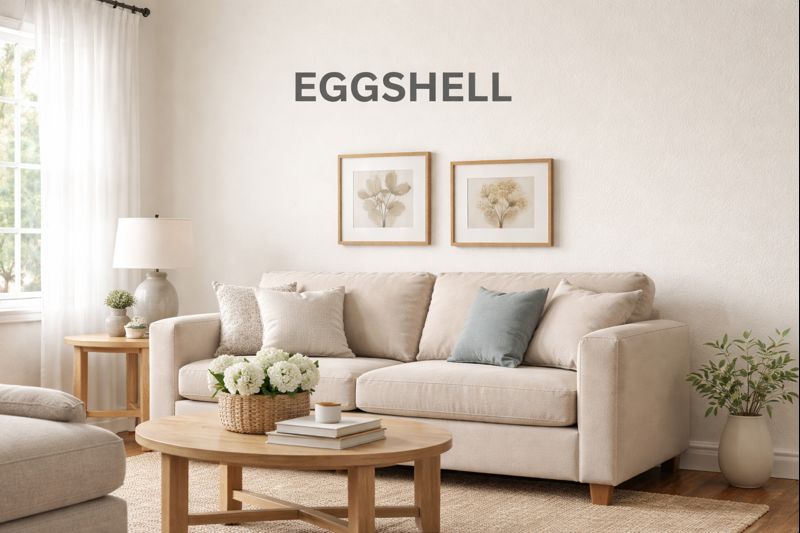
Eggshell sits between flat and satin. It has a soft glow rather than a shine. When light hits it, the reflection stays muted, which helps walls look even and calm.
Eggshell paint works well on large surfaces because it does not draw attention to small flaws. Nail patches, minor waves in drywall, and subtle texture tend to fade into the background.
Common traits of eggshell paint include:
-
Low sheen with a gentle finish
-
Works well on walls with normal foot traffic
-
Handles light cleaning better than flat paint
-
Pairs well with most color schemes
-
Less forgiving when scrubbed often
Eggshell is often used on drywall in bedrooms, living areas, hallways, and offices. It is also a solid option on plaster, masonry walls, and older surfaces where perfection is not realistic.
Semi-Gloss Paint And What Sets It Apart
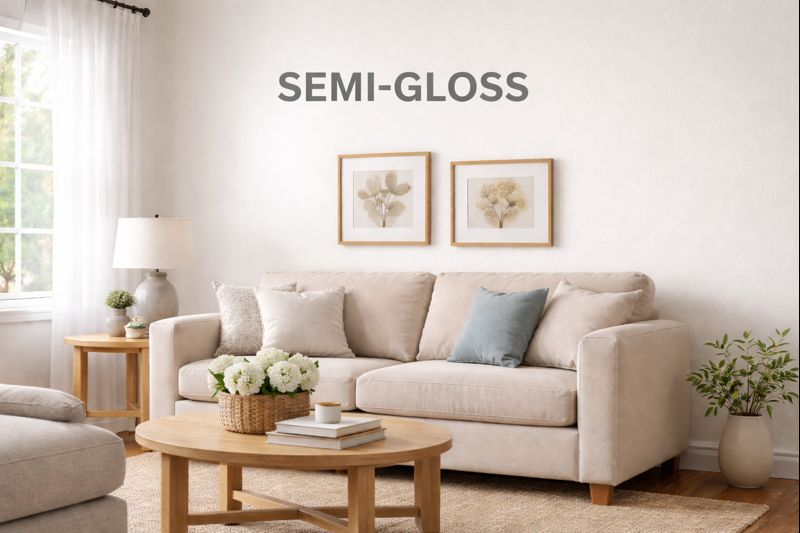
Semi-gloss paint has a noticeable shine. It reflects light, highlights edges, and creates a crisp look that reads clean from across the room.
That shine comes from a higher resin content, which gives semi-gloss strong adhesion and durability. It stands up to water, frequent wiping, and heavy use better than lower-sheen finishes.
You will usually see semi-gloss on:
-
Doors and window trim
-
Baseboards and crown molding
-
Cabinets and built-ins
-
Bathrooms and laundry areas
-
Areas near sinks or plumbing
Semi-gloss paint can be latex or acrylic-based. Both types form a tight surface that resists mildew and moisture when applied correctly with primer.
How Light Changes Eggshell vs. Semi-Gloss Paint
Light plays a huge role in how paint finishes look once applied.
Semi-gloss reflects light aggressively. On trim and doors, that reflection adds contrast and sharpness. On walls, the same reflection can exaggerate dents, seams, and texture.
Eggshells absorb more light. That makes it easier on the eyes in rooms with large windows or overhead lighting. If you have ever wondered why some colors look different once dry, sheen is often part of the reason. This ties closely to how bold colors settle after drying, which is explained further in does paint dry darker or lighter.
In short, sheen and color are linked. The glossier the finish, the more active the color looks throughout the day.
Durability And Daily Wear Compared
Durability is where the eggshell vs. semi-gloss paint conversation really matters.
Semi-gloss is built for abuse. It handles fingerprints, splashes, and repeated cleaning without wearing down quickly. That makes it a smart choice for doors, trim, and areas near windows, sinks, and appliances.
Eggshell still holds up well for a wall finish, especially when compared to flat paint. It resists scuffs better and keeps a consistent appearance with basic care.
That said, eggshell is not meant for constant wiping. Over time, aggressive cleaning can dull the surface or leave uneven spots.
Cleaning And Maintenance Expectations
If easy cleaning is a top priority, semi-gloss wins. The smoother surface allows dirt and marks to lift off with minimal effort.
Eggshell can be cleaned, but gently. Think light wiping rather than scrubbing. For rooms that see frequent contact, satin sometimes sits between the two finishes. This balance is explained clearly in satin paint vs. matte paint, which helps show where eggshell fits into the bigger picture.
Bathrooms, kitchens, and laundry rooms usually benefit from finishes that resist water and humidity. Semi-gloss sheds moisture better, which helps limit mildew growth on trim and doors.
Texture And Feel After Drying
Once dry, eggshell paint feels smooth and dry to the touch. It does not feel sticky, even in warmer conditions.
Semi-gloss can feel slightly tacky during curing, especially in humid spaces. This is normal and improves with proper drying time between each coat.
Application quality matters here. Good surface prep, correct primer selection, and proper spacing between coats reduce texture issues and improve long-term results.
Cost Differences And What Actually Affects Price
Eggshell paint usually costs a little less per gallon than semi-gloss. The difference comes from resin content, not quality.
For smaller projects, the price gap is minor. For larger homes or commercial spaces, it can add up. Even then, cost should follow function.
Using semi-gloss where eggshell belongs can create visual issues. Using eggshell where semi-gloss belongs can lead to faster wear. Matching the finish to the surface saves money long term.
Where Each Finish Makes The Most Sense
Rather than choosing one finish for everything, most homes use both.
Eggshell paint works best on:
-
Living rooms and bedrooms
-
Hallways and stairwells
-
Dining rooms and offices
-
Walls with visible drywall seams
-
Areas where color depth matters
Semi-gloss paint works best on:
-
Trim, doors, and window frames
-
Cabinets and shelving
-
Bathrooms and kitchens
-
Utility spaces and laundry rooms
-
Surfaces near water or frequent contact
This approach creates balance. Walls stay soft. Details stay sharp.
Color Choice And Finish Work Together
Finish changes how color reads. Dark colors in semi-gloss look deeper and more dramatic. Light colors in eggshell feel calmer and more forgiving.
If you are sorting through a large color scheme, visual tools help narrow choices. Seeing how sheen affects color digitally can help avoid surprises. That concept is explored in paint color visualizers, which show how finish and light interact before paint is applied.
Finish also affects how many coats are needed for even coverage. Coverage depth varies by sheen, surface, and color tone. That connection is outlined by the number of coats of paint for the wall, especially when switching between finishes.
Interior And Exterior Considerations
While this discussion focuses on interiors, finish selection matters outside too.
Exterior paint types often lean toward satin or low-luster finishes for siding, brick, stucco, concrete, and masonry. Trim and exterior doors often use higher gloss for protection. The same logic applies inside.
Semi-gloss is often used for paint for exterior metal door, porch railings, and window trim because of water exposure and wear. Eggshell stays more common inside due to its softer appearance.
Common Missteps With Eggshell Vs. Semi-Gloss Paint
A few mistakes show up often:
-
Using semi-gloss on walls to improve durability
-
Using eggshell on trim to match walls
-
Ignoring lighting conditions
-
Skipping proper primer for adhesion
-
Mixing finishes without planning transitions
Each of these can affect the final look. Finish choice works best when it supports the surface, lighting, and use of the space.
How We Approach Finish Selection At Garrett Painting
At Garrett Painting, finish selection is part of the planning stage, not an afterthought. We look at surface condition, light exposure, moisture levels, and how each area is used day to day.
Our process includes:
-
Reviewing surfaces like drywall, siding, brick, stucco, concrete, and trim
-
Discussing how rooms are used and cleaned
-
Matching sheen to color and lighting
-
Selecting primers that support adhesion and long-term performance
-
Applying each coat with proper spacing for consistent results
This approach helps homeowners in Ashland, Boonville, Fulton and the surrounding areas avoid common issues tied to eggshell vs. semi-gloss paint. Many clients also ask for guidance from experienced painters in Ashland, MO who understand how local climate and home styles factor into finish performance.
Final Thoughts On Eggshell Vs. Semi-Gloss Paint
Eggshell vs. semi-gloss paint is not about right or wrong. It is about matching the finish to the surface and how that space lives day to day. Eggshell supports calm, even walls. Semi-gloss protects details that see constant use. When both finishes are used intentionally, they work together rather than compete.
If you want help selecting finishes that fit your home, our team is here to walk through the details with you. We proudly serve Ashland, Boonville, Fulton and the surrounding areas.
Call 573-533-4462 to schedule your FREE estimate with Garrett Painting and get clear guidance before the first coat goes on