If you’ve ever started a home improvement project, one of the first questions that comes up is how long does spray paint take to dry? Whether it’s updating a kitchen cabinet, refreshing a piece of furniture, or adding color to a wall accent, timing matters. Drying too fast can leave cracks or shadows, while drying too slow delays the next coat and the final look.
Here in Columbia, MO, homeowners deal with everything from humid summers to cold winters, which means dry times aren’t always what the paint can says. Let’s break down what affects spray paint drying times, what materials and paints respond differently, and how to get results that look smooth and professional.
Key Takeaways:
- Acrylic spray paint: about 30 minutes to touch, plan 24 hours to cure before heavy use.
- Latex and oil based spray paint: about 8 hours to dry, best for trim and high wear areas that need a harder finish.
- Surface matters: metal can feel dry in about 10 minutes, wood often needs 1 to 2 hours to touch and 24 hours to cure.
- Climate counts in Columbia, MO: high humidity slows dry time, cold temps can stall it, balanced airflow helps.
- Recoat timing: wait 2 to 3 hours between thin, even coats with primer for smoother results and fewer flaws.
What Exactly Is Spray Paint and Why Dry Times Vary
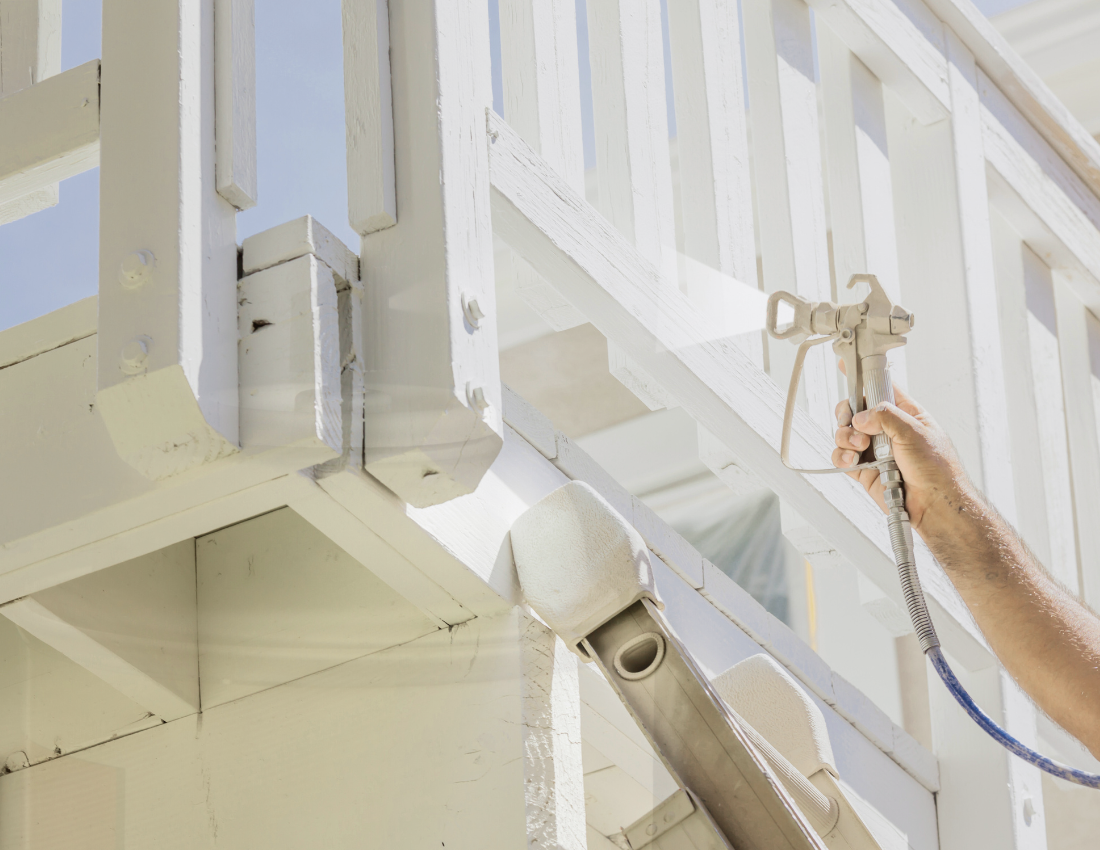
Spray paint is designed for fast coverage using a pressurized can that distributes tiny particles evenly across the surface. Unlike brushing acrylic paint or rolling latex on drywall, spray paint dries differently because the particles evaporate into the air as they settle.
The result is a smooth finish when done right, but dry times depend on a few things:
- The type of paint (oil paint vs acrylic paint vs latex)
- The material you’re spraying (wood, metal, plastic, drywall)
- Climate factors like humidity and temperature
- The thickness of each coat applied
Every project will have its own timeline because of these factors.
Dry Times by Paint Type
Different paints perform differently, and knowing the average dry time can save a lot of frustration.
- Acrylic spray paint: Usually feels dry in about 30 minutes but should cure for at least 24 hours before heavy use.
- Latex spray paint: Can take up to 8 hours, especially on walls or ceilings where humidity slows evaporation.
- Oil-based spray paint: Also around 8 hours, but it leaves a harder finish suitable for trim, cabinetry, and baseboards.
- Epoxy spray paint: About an hour for initial dryness but needs a full day to harden.
- Fast-dry general-purpose spray paint: As little as 5 minutes to touch, but layering still requires patience.
If you’re wondering how long does spray paint take to dry, the answer really depends on both product choice and environment. Picking the wrong type for your project can lead to painting mistakes to avoid, like streaks, uneven coverage, or peeling later.
How Materials Change the Drying Process
The surface being painted is just as important as the type of paint.
- Wood: Porous and absorbent, so expect 1–2 hours to touch dry and up to 24 hours for full cure. Sandpaper between coats helps smooth the fibers for a cleaner finish.
- Metal: Often ready in 10 minutes because it’s nonporous, but full cure still requires a day. Ideal for furniture or cabinetry hardware.
- Plastic: Needs at least 30 minutes, and not every paint bonds well. Using a primer improves adherence.
- Drywall: Absorbs unevenly if not primed, which can extend dry times and leave shadows or blotches.
Every material reacts differently, so knowing the surface is just as important as knowing the gallon of paint you’re buying.
Climate and Environment in Columbia, MO
Weather plays a huge role in how long spray paint takes to dry.
- Humid summers in Columbia slow drying. Water particles in latex or acrylic paint linger, making the wall or cabinetry tacky for hours.
- Arid or windy days speed evaporation but can leave dust on the paint if the space isn’t controlled.
- Cold winters are not ideal. Oil paint and latex can thicken and even freeze if temperatures drop below 32°F.
- Warm spring and fall days are best, with balanced humidity and airflow for even results.
Using tools like a fan or a space heater indoors can help regulate airflow and temperature, especially when working on ceilings, trim, or kitchen cabinets.
How Application Affects Dry Time
It’s not just the paint or the surface. It’s how you apply it.
- Thin coats dry much faster and prevent sagging.
- Heavy coats take longer and can create runs that require sanding and repainting.
- Primer under the color coat helps control absorption and gives a smoother surface for furniture, cabinetry, and baseboard projects.
- Spray painting technique matters: even movements, consistent distance, and avoiding overspray lead to faster, more uniform drying.
Even the type of paintbrush or palette you use for touch-ups can influence how evenly the paint dries.
Sheen, Light, and Shadows
Dry time also affects the final look of the paint sheen. Flat paints may appear dull if recoated too soon, while glossy finishes can show imperfections when not allowed to cure.
Light plays a role too. Direct sunlight on a freshly painted window frame or outdoor furniture can cause paint to blister. Indoor lighting can highlight shadows on walls if the surface wasn’t given enough time to dry between coats.
Good planning helps prevent uneven textures, especially in visible areas like the living room, bathroom, or kitchen.
Practical Tips for Better Results
To get professional-looking results, think about more than just the clock:
- Always start with a clean surface, free of dust or old paint flakes.
- Choose the right primer for wood, drywall, or plastic before adding color.
- Match your paint to the space. Products are designed for specific conditions. Learn more about whether exterior paint is suitable for use inside.
- Consider how much paint you need for full coverage. Too little paint means thin coverage; too much creates drips.
- When touching up or repairing, knowing how to match paint colors keeps your walls or trim consistent.
These simple steps make a big difference in how long your project takes and how it looks when finished.
Final Thoughts on Spray Paint Drying
So, how long does spray paint take to dry? It depends on paint type, surface, climate, and technique. Acrylics may be touch dry in 30 minutes, while oil paints can stretch to 8 hours. Wood, drywall, and cabinetry need more patience than metal or plastic. Here in Columbia, MO, our climate can add hours if you don’t plan around humidity or cold snaps.
At Garrett Painting, our team of expert painters in Columbia, MO know how to manage these details so your project looks clean, durable, and professional.
Our process for home painting projects:
- Careful prep work with sanding, primer, and surface cleaning
- Smart paint selection tailored for walls, ceilings, cabinetry, and furniture
- Professional spray painting technique for even coats
- Attention to detail with trim, baseboards, and shadowed areas
- Clean workspace and protection for windows, flooring, and drywall
If you’re planning a renovation or home improvement in Columbia, call us at 573-533-4462 for a FREE estimate.
Frequently Asked Questions
How long does spray paint take to dry on wood?
Usually 1–2 hours to touch and up to 24 hours for full cure.
Can I apply a second coat right away?
Wait at least 2–3 hours depending on the type of paint. Rushing leads to tacky finishes.
Does climate in Columbia, MO affect drying?
Yes, humidity slows down the process, and cold can thicken the paint.
What’s the difference between oil and acrylic paint dry times?
Oil takes longer but leaves a harder, more durable finish. Acrylic dries faster but is less resistant to heavy wear.