
Standing in front of a wall of paint samples can feel overwhelming fast. Sheen labels sound simple, yet the difference between satin paint vs. matte paint shows up long after the paint dries. It affects how walls look in daylight, how they handle wear, and how forgiving they are once furniture is back in place.
This breakdown focuses on how satin and matte finishes behave in lived-in homes. No trends. No brand hype. Just clear guidance so the finish you choose fits the space and holds up the way you expect.
Key Takeaways:
- Satin paint vs. matte paint comes down to durability versus appearance, with satin handling wear better and matte hiding wall flaws more effectively.
- Satin paint reflects light and highlights surface detail, while matte paint absorbs light and creates a softer, more even look.
- High-traffic areas tend to perform better with satin, while low-traffic rooms often benefit from matte finishes.
- Cleaning is easier with satin paint, while matte paint requires a lighter touch to avoid visible marks.
- Choosing the right sheen depends on lighting, wall condition, and room use, not just color preference.
Why Sheen’s Choice Matters More Than Most People Think
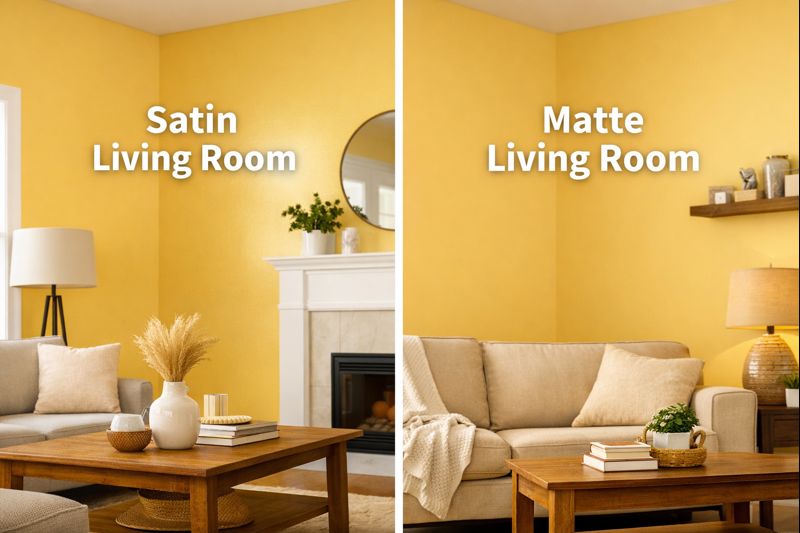
Color gets all the attention, but sheen controls how that color performs. When comparing satin paint vs. matte paint, the biggest differences come down to light, texture, and long-term wear.
A wall painted in the same color can look completely different depending on the sheen. Light reflection changes depth. Surface texture becomes more or less visible. Even touch-ups behave differently.
That is why sheen should be decided with the room in mind, not picked as an afterthought.
Light And Visibility: How Each Finish Reacts In A Room
Light is often the deciding factor in the satin paint vs. matte paint conversation.
Satin Paint And Light Bounce
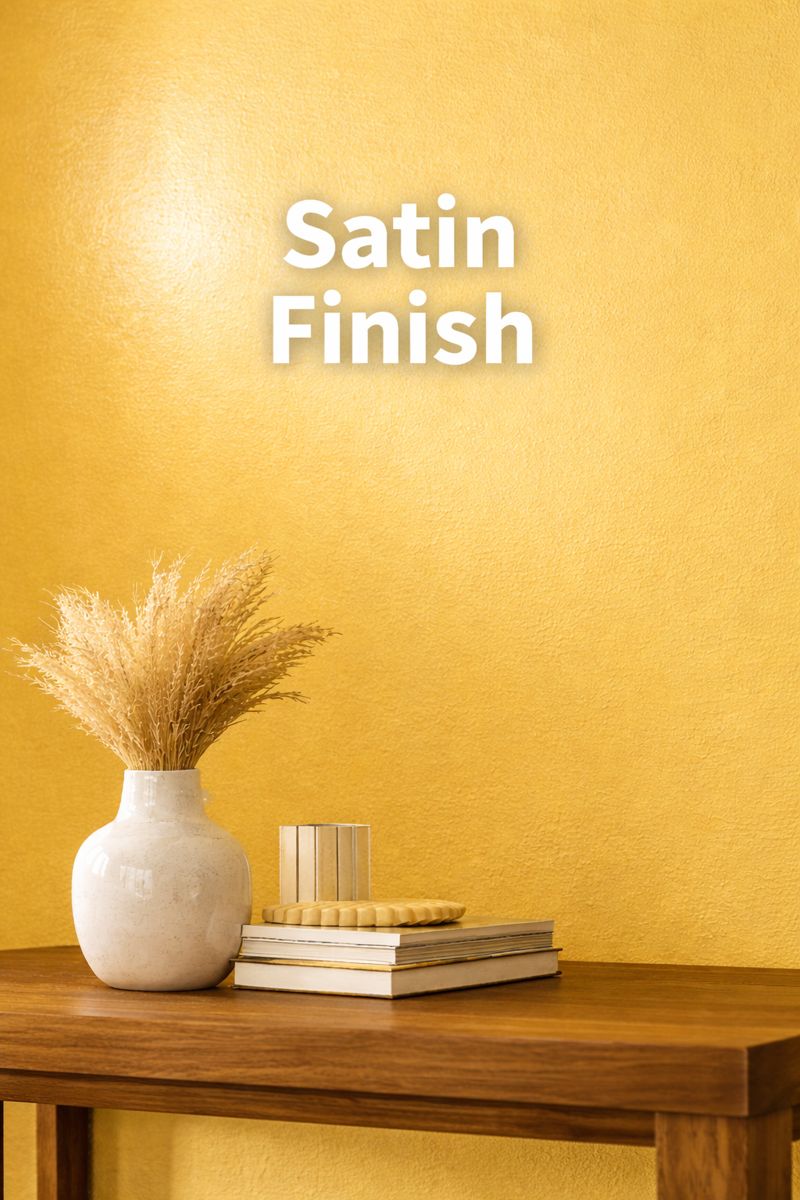
Satin paint reflects light softly. It adds a slight glow that can make colors feel richer and brighter. In rooms with good natural light, satin helps distribute that light evenly across the space.
The downside is that reflection makes wall flaws easier to see. Drywall seams, patches, and uneven texture show more clearly, especially near windows or overhead lighting.
Satin tends to work best when:
-
Walls are smooth and well-prepared
-
The room benefits from added brightness
-
You want colors to appear more defined
Matte Paint And Softened Light
Matte paint absorbs light instead of reflecting it. This creates a calmer, more even appearance across the wall surface.
That absorption helps hide imperfections and reduces glare. It also makes matte a strong option for rooms where visual softness matters more than brightness.
Matte tends to work best when:
-
Walls have repairs or texture
-
Lighting is harsh or uneven
-
A muted, relaxed look is preferred
This contrast is often the first thing homeowners notice when comparing satin and matte paint.
Durability Over Time: What Holds Up And Why
Once paint is on the wall, daily life takes over. This is where satin paint vs. matte paint becomes less about appearance and more about performance.
Satin Paint In High-Use Areas
Satin paint contains more binders, which gives it flexibility once cured. That flexibility helps resist scuffs, light impacts, and repeated contact.
Because of that, satin is commonly used in:
-
Hallways
-
Entryways
-
Kids’ rooms
-
Stairwells
In these spaces, satin paint keeps its appearance longer before showing wear.
Matte Paint And Wear Patterns
Matte paint does not have the same elasticity. Marks from shoes, furniture, or hands tend to settle into the surface rather than wipe away cleanly.
This does not mean matte fails quickly. It simply performs best where contact is limited and walls are not constantly touched.
In the satin paint vs. matte paint comparison, durability favors satin, while visual forgiveness favors matte.
Cleaning Expectations And Surface Care
Cleaning is another point where satin paint vs. matte paint feels very different in practice.
Cleaning Satin Paint Surfaces
Satin paint tolerates light cleaning better because moisture sits on the surface instead of soaking in. Most everyday marks can be removed with gentle wiping.
This makes satin a practical option for:
-
Dining rooms
-
Mudrooms
-
Walls near windows and doors
Satin handles occasional cleaning without changing the look of the finish.
Cleaning Matte Paint Surfaces
Matte paint requires a lighter approach. Scrubbing can create shiny areas where the surface gets burnished.
In rooms where cleaning is rare, this is usually not an issue. Still, it helps to know that matte finishes do not react well to frequent wiping.
Uneven cleaning can also affect how color appears, which ties into whether paint dries darker or lighter when evaluating consistency across a wall.
Texture And Feel: Subtle But Noticeable
Texture plays a quiet role in the satin paint vs. matte paint decision.
Satin paint feels smoother and slightly slick once cured. That smoothness helps with durability but also contributes to reflection.
Matte paint feels softer with a faint chalky quality. That texture helps scatter light and hide imperfections but makes the surface more vulnerable to wear.
While subtle, this difference affects how walls age over time.
Cost Differences And What They Mean Long Term
Matte paint typically costs less per gallon than satin paint. The difference is usually a few dollars, depending on the manufacturer.
However, cost per gallon rarely tells the full story. What matters more is:
-
How well the finish performs in the space
-
How often touch-ups are needed
-
Whether the finish still looks even years later
Coverage also varies by color and sheen, which connects directly to how many coats of paint for wall when planning a project.

Choosing By Room Instead Of Preference
Rather than picking one sheen for an entire home, many homeowners get better results by matching finish to room use.
Here is a practical way to think about satin paint vs. matte paint room by room:
-
Living rooms: Matte for a softer feel, satin for smoother walls
-
Bedrooms: Matte works well where traffic is low
-
Hallways: Satin handles repeated contact better
-
Dining rooms: Satin allows easier cleanup
-
Ceilings: Matte or flat helps hide surface inconsistencies
This approach focuses on performance, not just appearance. For a deeper look at matching finishes to spaces, sheen finish for each room explains why placement matters.
Color Depth And Sheen Interaction
Sheen changes how color is perceived. This often surprises people comparing satin paint vs. matte paint.
Satin reflects more light, which can make colors feel slightly deeper and more vibrant. Matte absorbs light, softening the same color and reducing contrast.
Seeing this difference ahead of time helps avoid disappointment. Many homeowners use paint color visualizers to preview how sheen impacts color before making final decisions.
Touch-Ups And Long-Term Consistency
Touch-ups happen eventually. How well they blend depends heavily on sheen.
Satin paint can be harder to touch up invisibly. Differences in application pressure or drying can show under certain lighting.
Matte paint blends touch-ups more easily, but repeated repairs can still build texture over time.
This balance is another factor to consider when deciding between satin and matte paint.
Final Thoughts On Satin Paint Vs. Matte Paint
The choice between satin paint vs. matte paint comes down to how the room is used and how the walls are built. Satin offers better durability and easier cleaning, while matte provides a softer look and better flaw concealment.
Neither option is better in every situation. When sheen is chosen with lighting, traffic, and surface condition in mind, the finish holds up longer and looks more consistent. Thoughtful planning makes the difference between paint that simply looks good and paint that continues to perform.
How we help homeowners choose the right finish:
-
Evaluate walls, lighting, and room use
-
Recommend finishes based on performance, not trends
-
Prep surfaces for proper adhesion and consistency
-
Apply even coats for long-lasting results
If you are planning interior painting in Columbia, Jefferson City, Ashland, and the surrounding areas, call Garrett Painting at 573-533-4462 for a FREE estimate.